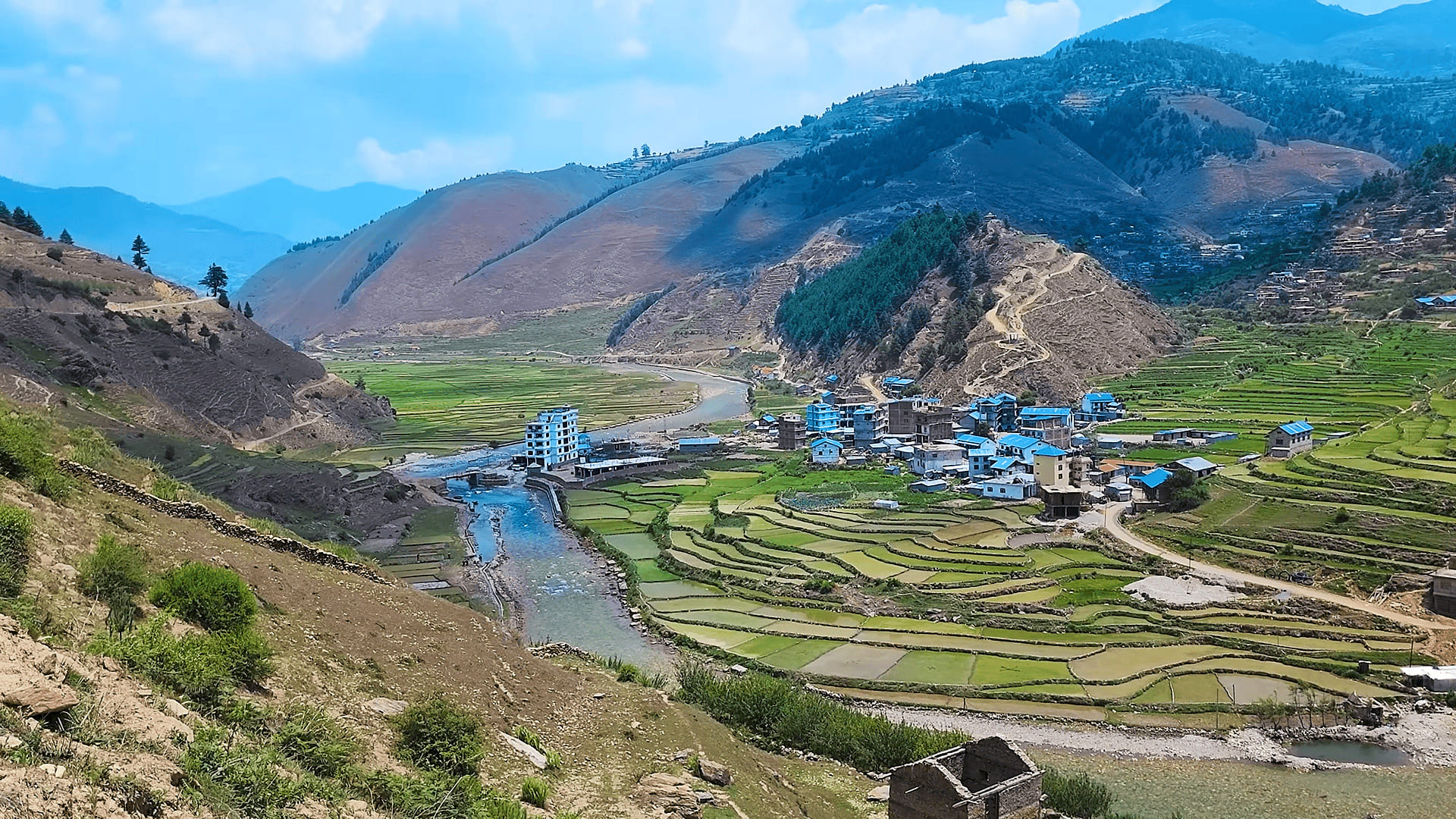
Jumla Tour Package is a journey to a land rich in nature, culture, and history. Jumla, in the remote Karnali Province, is a gateway to unspoiled landscapes, centuries-old culture, and one of the highest rice-growing regions in the world. The tour offers a rare opportunity to discover the true face of Nepal, away from the crowds of popular trekking destinations.
Our Jumla itinerary blends scenic drives, light hiking, cultural immersion, and exploration of local life. From the picturesque Sinja Valley, believed to be the birthplace of the Nepali language, to serene Rara Lake nearby (optional extension), you’ll explore ancient temples, Buddhist monasteries, and traditional villages surrounded by dramatic Himalayan backdrops.
A dream realized for culture lovers, photographers, and tourists seeking an off-the-beaten-path experience, this Jumla tour showcases Nepal's best-kept secrets that remain unblemished by mass tourism. Comfortable hotels, knowledgeable local guides, and carefully designed itineraries render this package perfect for independent travelers and small groups.
Why Visit Jumla?
Jumla is one of Nepal's most isolated and culturally fascinating regions, affording a unique chance to see unspoiled Himalayan life beyond the commercialized trekking routes. It is also the gateway to the Sinja Valley, the historical homeland of the Khas Malla Kingdom, and the purported birthplace of the modern Nepali language. Compared to Everest or Annapurna's crowded routes, Jumla presents peace, cultural intensity, and natural beauty in their purest forms.
Cultural enthusiast, trekker, or photographer, Jumla is the perfect destination to:
- Explore 12th-century ruins, temples, and inscriptions
- Hike on secluded, less-traveled mountain trails through forest and field
- Experience the hospitality of ethnic Khas and Thakuri groups
- Take the optional extension to Rara Lake, Nepal's largest and most serene alpine lake
- Witness traditional farming and organic apple farming at high altitudes
Best Time to Visit Jumla
The best time to travel to Jumla is during the spring months of March to May and the autumn months of September to November. During the spring, the trails are bordered by wildflowers in full blossom, whereas the weather is warm and pleasant, making trekking and village walks quite comfortable. Autumn is ideal for photography and landscape observation, with clear skies and golden landscapes as local crops ripen. While summer (June to August) colors the hills with lush greenery, it also heralds the monsoon, which means slippery trails, muddy roads, and even flight cancellations. Winter (December to February) is freezing cold and snowy, especially in the higher elevations. Except if you are a seasoned winter trekker, it is best not to visit during these months due to limited accessibility and inclement weather.
How to Reach Jumla from Kathmandu?
Going to Jumla is a bit of an adventure, but definitely worth the trouble. The most efficient and common way is by air. You first fly from Kathmandu to Nepalgunj, which is an hour's journey. Then, you have a quick domestic flight of about 30 to 35 minutes that takes you straight to Jumla Airport. The flights offer great aerial views of the midwestern hills and snow-topped mountains. However, keep in mind that Jumla's weather can be unpredictable, and flight delays are the norm. It's best to factor in some buffer time in your itinerary.
For travelers who like their journey to be more experiential and challenging, Jumla can also be reached by road. The overland route takes you from Kathmandu to Surkhet and onward through Kalikot and Dailekh to Jumla. This takes two to three days, depending on weather and road conditions. While the ride can be long and bumpy, it is an excellent way to experience rural Nepal, interact with people, and view changing landscapes along the way.
Preparations and Permits required to reach Jumla
A trip to Jumla requires some essential preparation, as the area is remote and basic facilities are scarce. Take along warm clothing, as nights become chilly even in spring and fall. Good hiking boots or shoes are recommended for rough trails, and it is best to take along a first-aid kit, personal medications, and water purification tablets. Electricity is typically limited in guesthouses, and it's highly recommended to carry a power bank and torch. Since ATMs are irregularly available, it's ideal to carry enough Nepali rupees to fund your trip.
Fortunately, you do not need many permits to travel to Jumla. All foreign tourists need to obtain a TIMS (Trekkers' Information Management System) card, which is utilized to monitor tourists for safety and statistical reasons. If you plan to extend your trip to Rara Lake, you will need to pay the Rara National Park fee. For most tourists, no restricted area permit is necessary unless your itinerary includes extremely restricted areas like Dolpo or Humla.
Jumla Tour Package Cost
The cost of the Jumla tour package varies according to the duration of your stay, the size of your group, and whether you fly or go overland. A typical 6 to 8-day Jumla tour can cost between USD $500 to $850 per person. This generally includes domestic flights from Kathmandu, Nepalgunj, and Jumla, local transportation, lodging at basic guesthouses, meals during the trip, an English-speaking licensed guide, and all the permits.
The cost excludes international flights to Nepal, personal expenses like snacks and beverages, travel insurance, emergency rescue, and tips for guides or porters. If you wish to extend the trip to Rara Lake, you'll incur additional costs for extra days, permits, and logistics. Despite the remoteness, Jumla offers excellent value for adventurous travelers seeking an authentic experience away from the hordes.
Additional Infromations for Rara Lake Trek
Upon a journey to Jumla, if you are ready to trek even further on a journey in Nepal, you can go via the stunning Rara Lake Trek. Rara Trekking takes you to Rara Lake, the largest freshwater lake in Nepal, in the remote and unexplored far-west region of the country. This trek has a unique combination of natural beauty and cultural richness, as you move along peaceful villages, dense forests, and green grasslands and enjoy breathtaking views of the lake surrounded by white-topped mountains. Rara Lake is commonly termed as the "Pearl of the Himalayas" because of its crystal-clear blue water and peaceful landscape, and it is a perfect holiday destination for one who wants to trek an unmapped, off-the-beaten-path trekking route. Combining your trip to Jumla with Rara Trekking is an ideal way of exploring Nepal's rich diversity of landscapes and enjoying its serene wilderness.