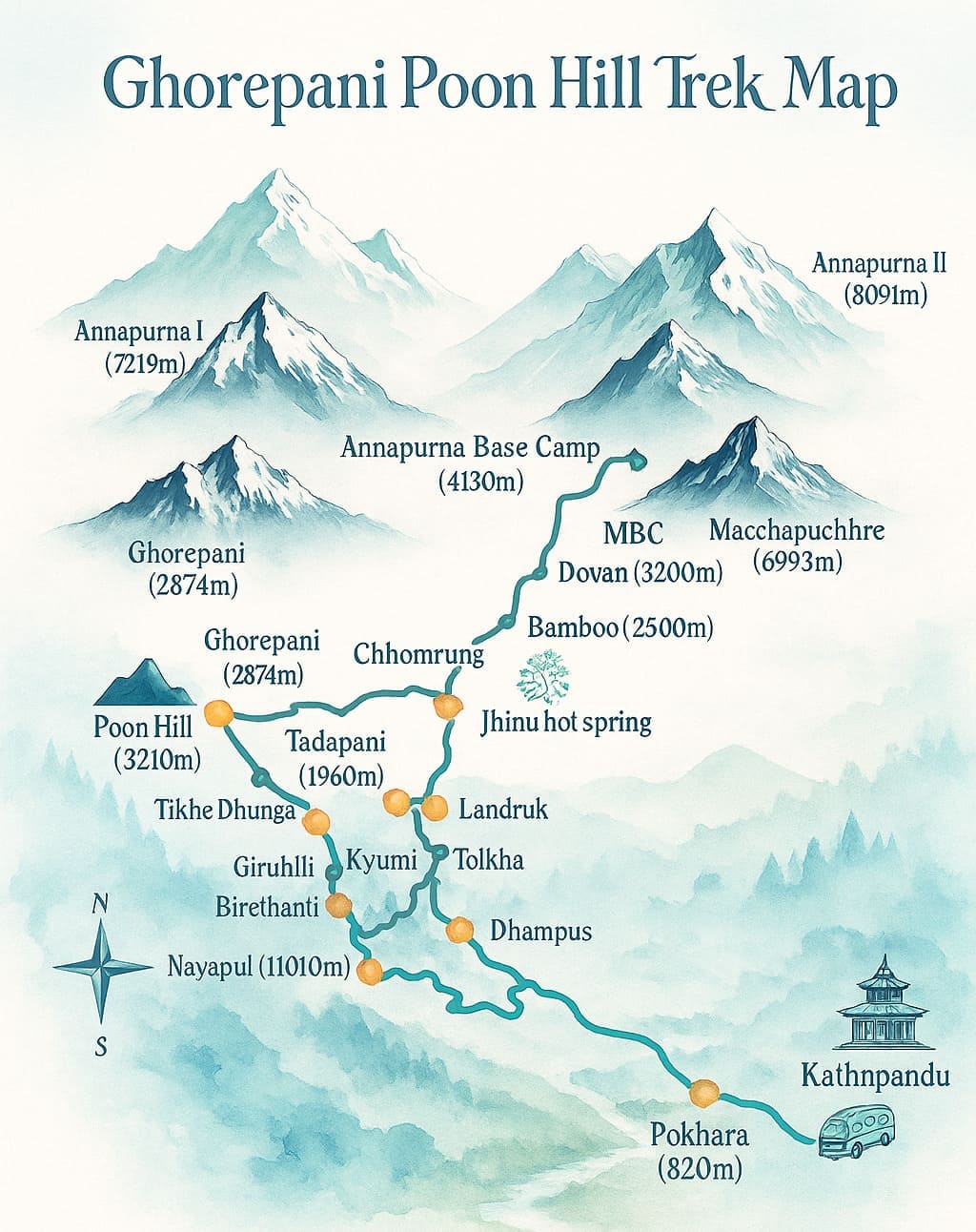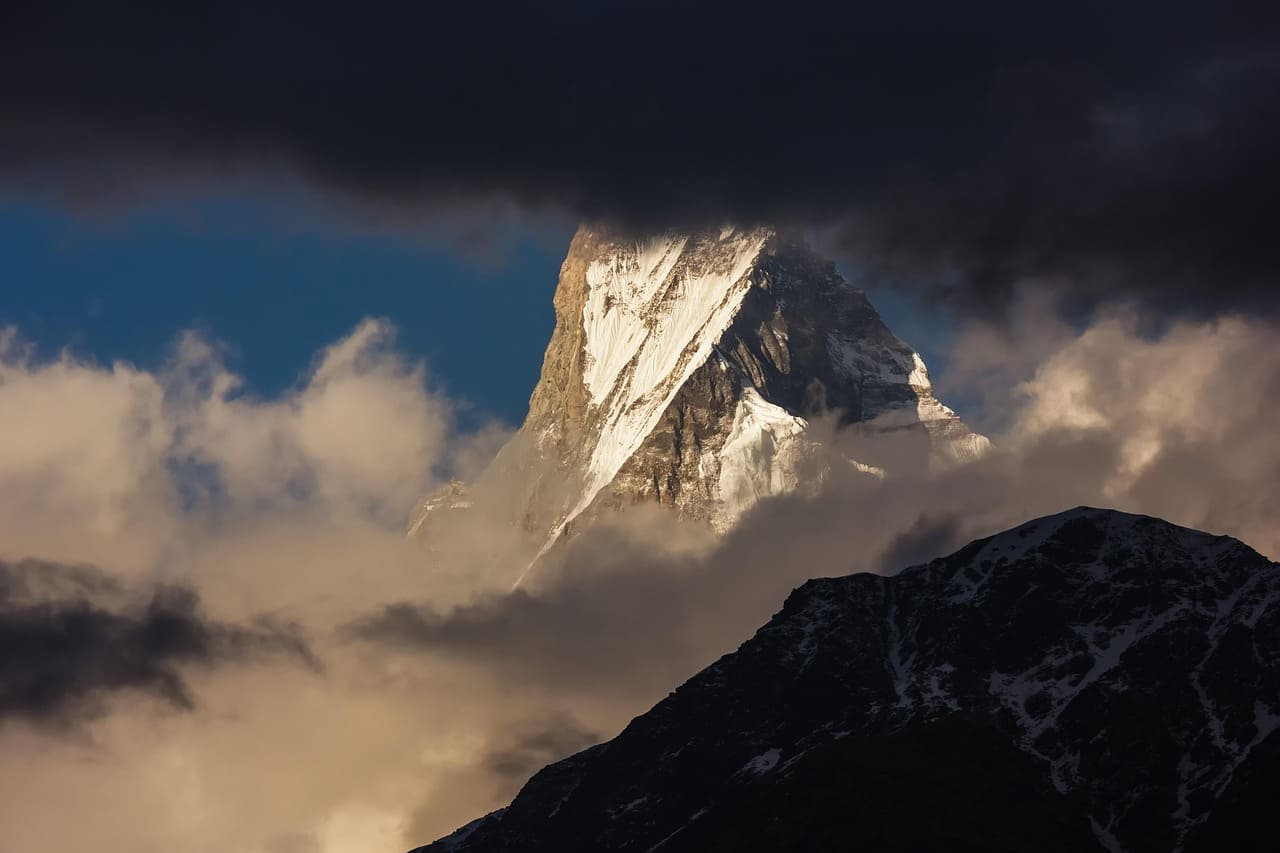
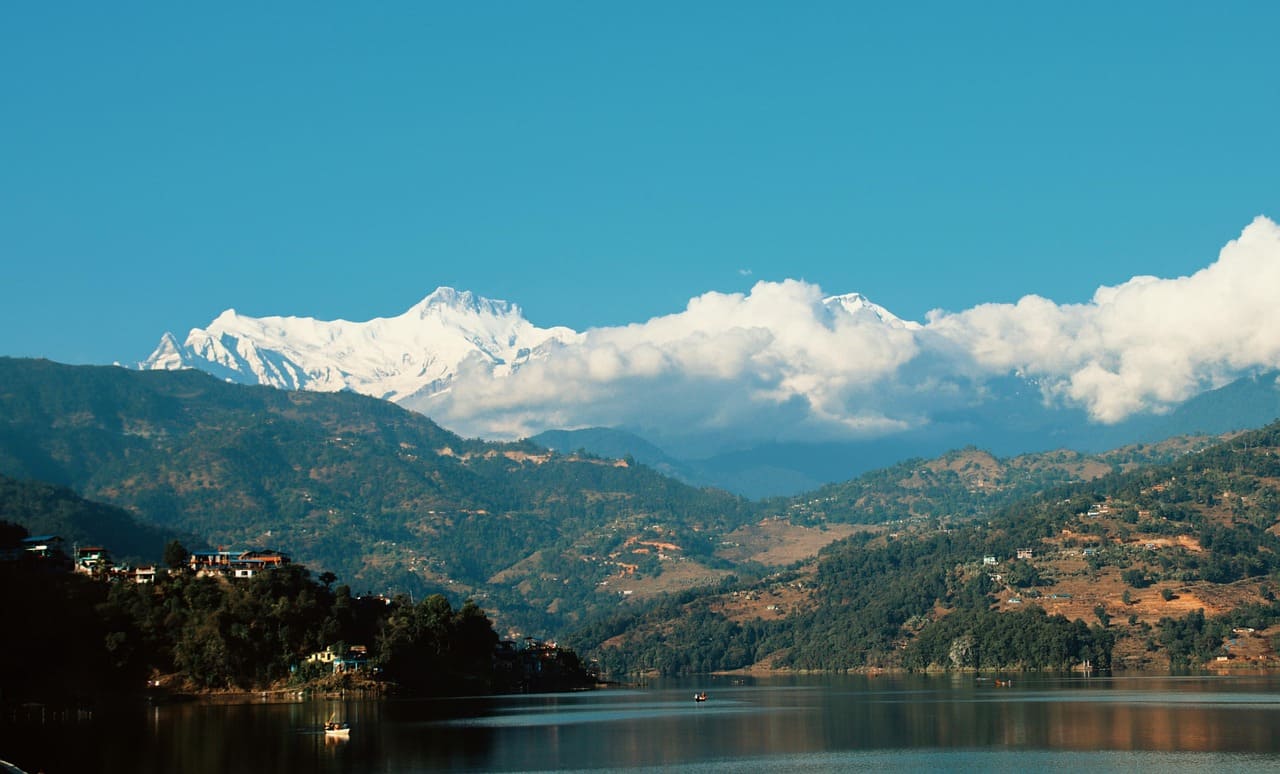
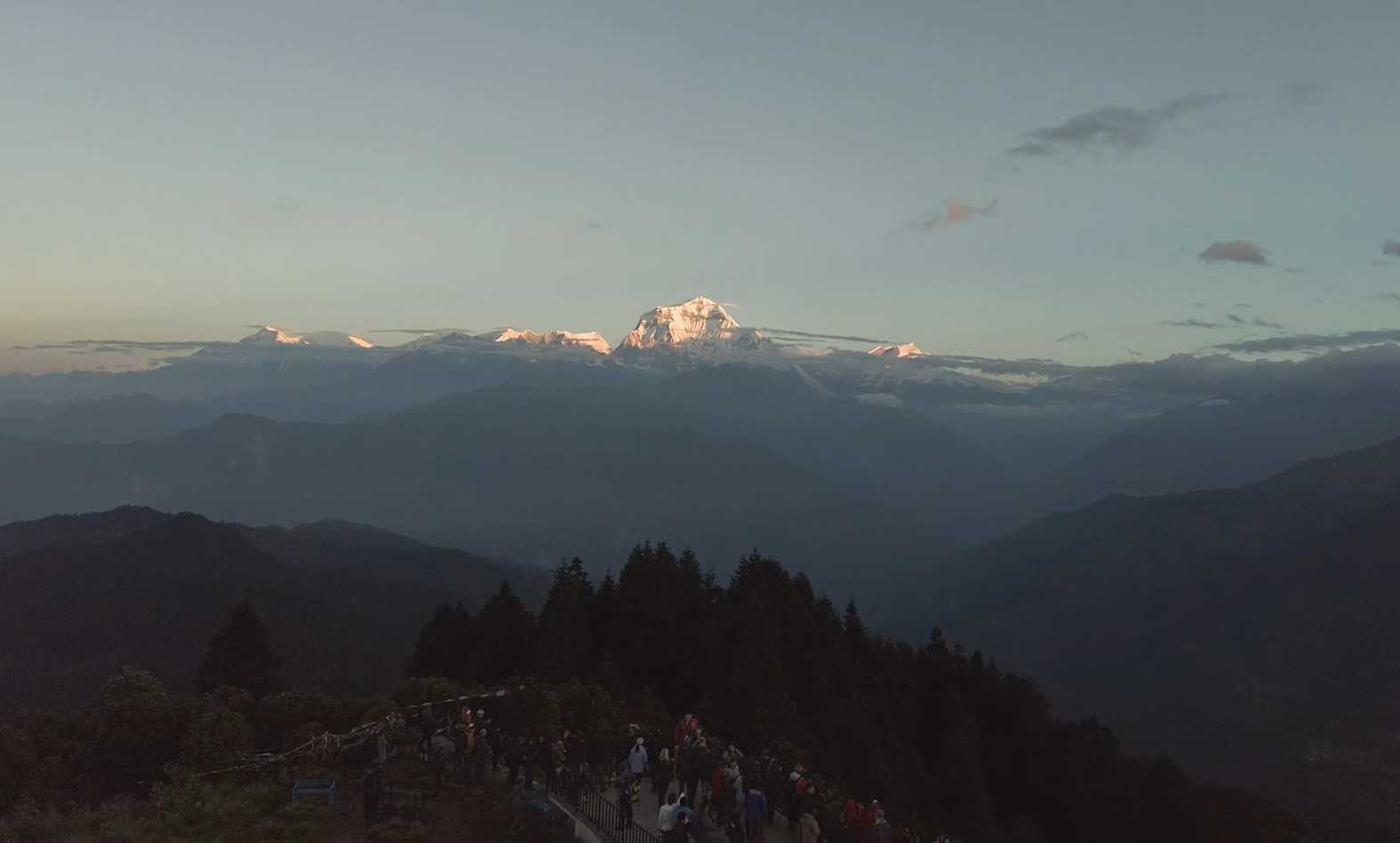
The Ghorepani Poon Hill trek is a beautiful trekking destination that lies inside the Annapurna region of Nepal. It's known for its short durations and breathtaking views of the Annapurna I, Annapurna II, Machapuchhare, and Dhulagiri ranges. The Ghorepani Poon Hill trek is known for its short but sweet trekking experiences, which are a life moment to explore and witness.
The Ghorepani trek is not the ultimate destination for the trekkers, as it serves as the gateway to the Annapurna base camp, but if you are not willing to do the ABC trek, then you can just reach Ghorepani, witness the sunrise and sunset, and then return to Pokhara. The Poon Hill viewpoint lies at an altitude of 3210 meters above sea level, which is a 1-hour hike from Ghorepani. You will need to ascend the hills and then witness the beautiful angles on the Annapurna I, Annapurna II, Annapurna South, and Dhaulagiri ranges at a distance.
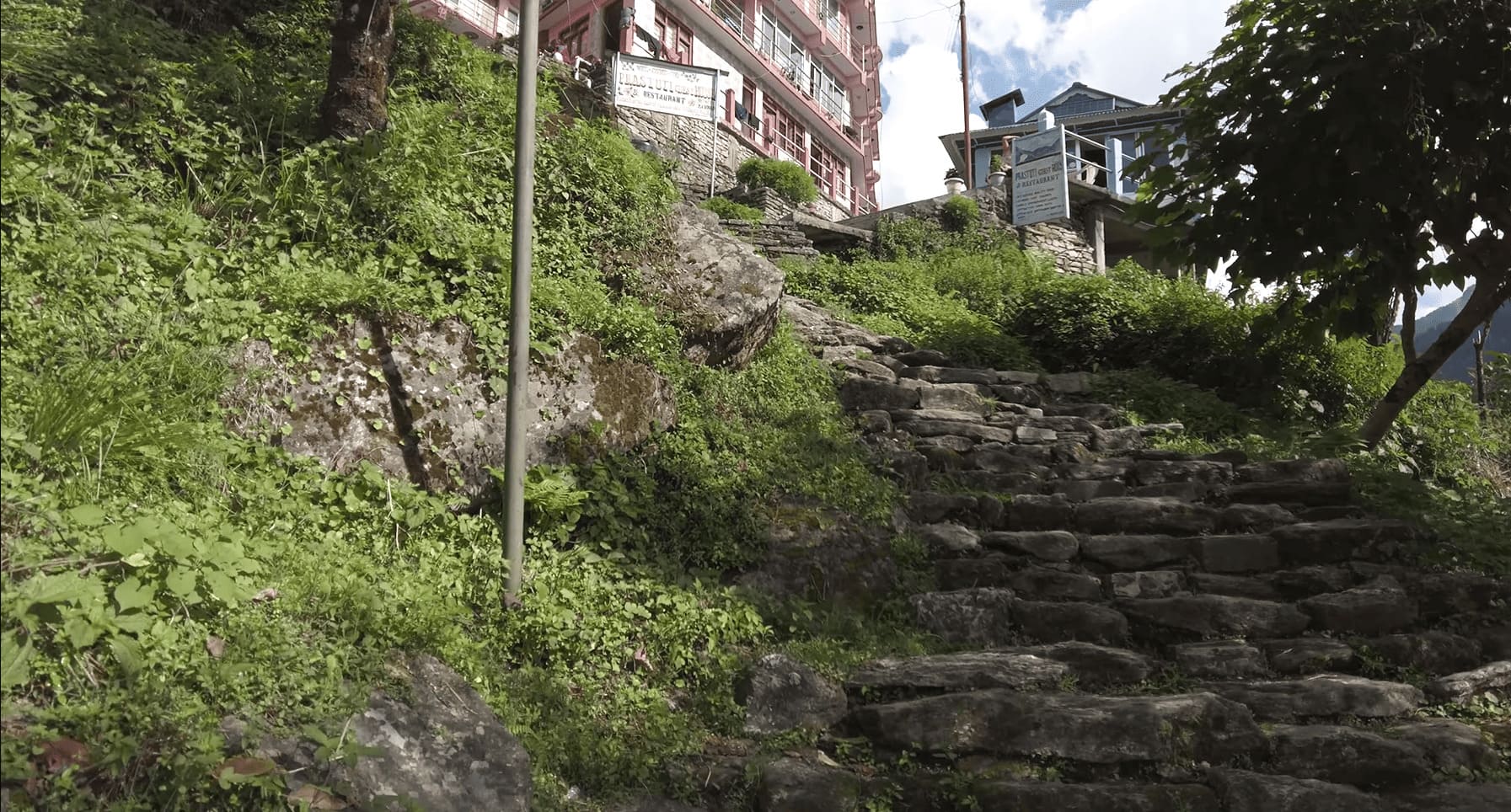
Although the Ghorepani Poon Hill trek is short, it still offers you the same authentic life experience that is experienced during the Annapurna Base Camp trek, as the route goes on the same trails. You will experience the rich Gurung culture and traditions along with the local dishes like Thakali khana, Gurung bread, and many more dishes.
Why should I trek in Ghorepani?
You shall trek in Ghorepani because it is the shortest and most rewarding trek from Pokhara, which can be reached by a few hours' drive, and experience the rich culture and traditions of the region. If you are a beginner trekker and want to have the experience of trekking and hiking for future treks like Everest Base Camp, Annapurna Base Camp, or any other trekking routes, then the Ghorepani Poon Hill Trek is for you. Also, during the peak seasons, you will be trekking through the lush green forests of the national flower of Nepal, rhododendron, the hero of the forests, pines, and the bamboo, which grows every day, providing a peaceful experience for the trekkers. Also, you will be walking on the riverbanks of the Modi Khola, which gives the perfect vibe of silence. On the way, you will be witnessing the waterfalls and the water streams joining the Modi Khola from the glaciers around the villages.
What is the best time to trek in Ghorepani Poon Hill?
The best time to trek in Ghorepani Poon Hill is during the months of spring (March to May), autumn (September to November), and winter (December to February). You can also trek in the month of the monsoon, but it is not suggested, as during the rain, it's difficult to witness the mountains from a distance due to clouds covering the ranges. Explaining the seasons in detail.
Spring (March to May)
The spring season is the best time to trek in the Ghroprenai, as during the spring, which lies in March to May, just after the winter, due to which the skies are clear and blue, the forests just bloom in the spring, making the trekking trails look like the perfect combination of red and green. The views are unobstructed, and as the winter just faded away, the peaks are covered in snow, and when the sunlight hits the ranges, the mountain converts into a dramatic golden hue, making it look like someone painted it with gold.
What are the advantages of trekking in Poon in spring?
The advantage of trekking Poon Hill in the month of spring is that you will witness the lush greenery all over the trail starting from Pokhara itself, and as the weather is clear, as soon as you reach out of the hotel and then drive to Ghorepani, you will be witnessing the Machapuchare Himalayan ranges throughout your drive, and when you reach Ghorepani, then you will be witnessing the other peaks alongside. You will feel the cold breath and the roaring sounds of the rivers flowing in the background.
Disadvantages of trekking in Poon Hill during the spring
If you are trekking to Poon Hill during the month of spring, you may notice that there is a crowd during the trek, and the accommodations are also full, making it difficult to secure accommodations. Also, during the months of the peak seasons, the prices are higher compared to the off-season. When you hike to the Pooh Hill, you will see more crowds, and the environment may not be peaceful due to the crowds.
Autumn (September to November)
Autumn is another peak season for the Ghorepani Poon Hill trek, which runs from September to November. During this month, you will witness the beautiful mountain ranges from the Poon Hill viewpoint as well as the unobstructed views of the Annapurna, Machhapuchhre, and Dhaulagiri ranges. You will witness the lush greenery everywhere. Along with this, you will see the local people celebrating the biggest festivals of Nepal, Dashain and Tihar, as this is the time when every Nepali and Nepali person comes together from abroad and celebrates the festivals together.
Advantages of trekking in Poon during the month of autumn
The main advantages of trekking in Poon Hill during the month of autumn are that you will get to celebrate the biggest festivals of Nepal, Dashain and Tihar. Dashain is a 10-day-long festival where people from different cities and countries come together to celebrate. They play the songs, put on tikas, enjoy the delicious foods, and then wear new clothes and celebrate it. Tika is done on the 10th of Dashain. During this time, if you trek as a foreigner, the local people will be inviting you to celebrate together to put on tika, eat, dance, and sing, which will give you the authentic vibe of the local Gurung culture of the region. Another festival that you will be celebrating is the Tihar, which is known as the festival of the lights, as during this time, you will witness the whole Ghorepani trail covered in lights, and the villages and houses shine, making it the perfect vibe for you to witness such things in the mountains. The Tihar festivals are celebrated for 5 days, and they worship the goddess Laxmi, who is known as the Goddess of Money.
Disadvantages of trekking in Poon Hill during the month of autumn
The main disadvantage of trekking in Poon Hill during the month of autumn is that you will feel the Ghorepani Poon Hill trek is crowded compared to other treks. As autumn is the month of the peak season, along with that is the time of festivals, making everything crowded and expensive, and the limited availability of the teahouses and the viewpoints has long lines for the hikes.
Winter (December to February)
Winter, from December to February, is another peak season for trekking in the Ghorepani Poon Hill. As it is the month of winter, which means snowfall, the mountains are covered with fresh snow. If you were trekking at a higher altitude, like the Annapurna base camp, then it would not be the perfect time, but just to reach Ghorepani, it can be another best time. During the winter, Nepal also experiences the sunrise in the mountains and daytime, making it perfect for you to witness the dramatic landscapes of the Annapurna region and the Annapurna peaks. During this time, you may not see the lush greenery, as it’s the month of snowfall, and the dry seasons still have the best experiences.
Advantages of Winter Trekking to Poon Hill (December to February)
Winter trekking to Poon Hill is a serene and soothing experience. The greatest advantage is the fresh and cool atmosphere, and it offers very good views of the Annapurna and Dhaulagiri ranges. It is clear weather most of the time, one of the best seasons to capture photographs and look at the mountains. Moreover, the trails themselves are less crowded compared to peak seasons, and hence, you have a more peaceful and private trekking experience. You may even be fortunate enough to experience light snowfall around Ghorepani, and this leaves a winter wonderland type of magic on the trek. The fresh, cool air can also be extremely invigorating for trekkers who are fond of cold weather.
Disadvantages of Trekking in Poon Hill During Winter
Despite the tranquil scenery and serene pathways, winter trekking has some disadvantages. The temperatures get pretty low, especially at night and early morning hours, going below the freezing point. The pathway may be snow-covered and icy, and you might find some sections of it slippery and requiring an extra level of care. You also have to plan your days carefully since daylight is shorter, thus limiting your trekking time if you start late.
Monsoon (June to August)
Trekking to Poon Hill during the monsoon (June to August) offers lush green landscapes, blooming wildflowers, and peaceful trails with very few trekkers around. It’s a great time for nature lovers and budget travelers, as accommodations are cheaper and readily available. However, the downside includes heavy rainfall, slippery trails, leeches, and limited chances of seeing clear mountain views due to clouds and fog. Afternoon showers are common, so early morning starts are best. While it may not offer the classic sunrise views, monsoon trekking provides a quiet, refreshing, and truly local experience.
Advantages of Poon Hill Trekking during Monsoon Season (June to August)
Trekking to Poon Hill in the monsoon season has its charm. The entire region turns lush green, with vibrant vegetation and blooming wildflowers along the trail. The rain brings life to the forests, making the landscape more scenic and refreshing. Because this period is an off-season for trekking, you’ll enjoy peaceful trails and easily find accommodations at teahouses. The warm temperatures can also be a plus for those who dislike the cold.
Disadvatnages of Poon Hill Trekking during Monsoon
But monsoon is all about regular and heavy rain, which makes the trail muddy and slushy. It's difficult to trek on this and less enjoyable for others. The lower areas also become a breeding ground for leeches and insects, which can be annoying on the trek. Cloud cover and mist also obscure views of the mountain, so it's not ideal to have clear views.
What permits are required for the Ghorepani Poon Hill Trek?
For trekking the Ghorepani Poon Hill trail in Nepal, you will need two main permits. The first is the Annapurna Conservation Area Permit (ACAP) for entry and trekking in the Annapurna Conservation Area. This enables the government to support conservation efforts as well as sustainable tourism in the region. The second one is the TIMS card of the Trekkers' Information Management System, used in registering trekker details for rescue and safety. Either of these permits can be obtained in Pokhara or Kathmandu by visiting the Nepal Tourism Board offices or from any registered trekking agency. Keep these permits handy while trekking since there are various checkpoints on the way where they will be needed.